
Regular oil changes are essential for maintaining the performance and longevity of your inboard diesel engines or generator(s). This guide will walk you through the oil change process efficiently, allowing you to save money and cultivate independence by learning new skills.
Why Regular Oil Changes Matter
Keeping a consistent service routine helps improve and extend the life of the mechanical machinery on board. Routine oil changes reduce engine wear by reducing contaminants, maintain proper lubrication for moving parts and help to prevent overheating and sludge buildup– overall, extending the life of your engine, so you can spend more time playing and less time fixing!
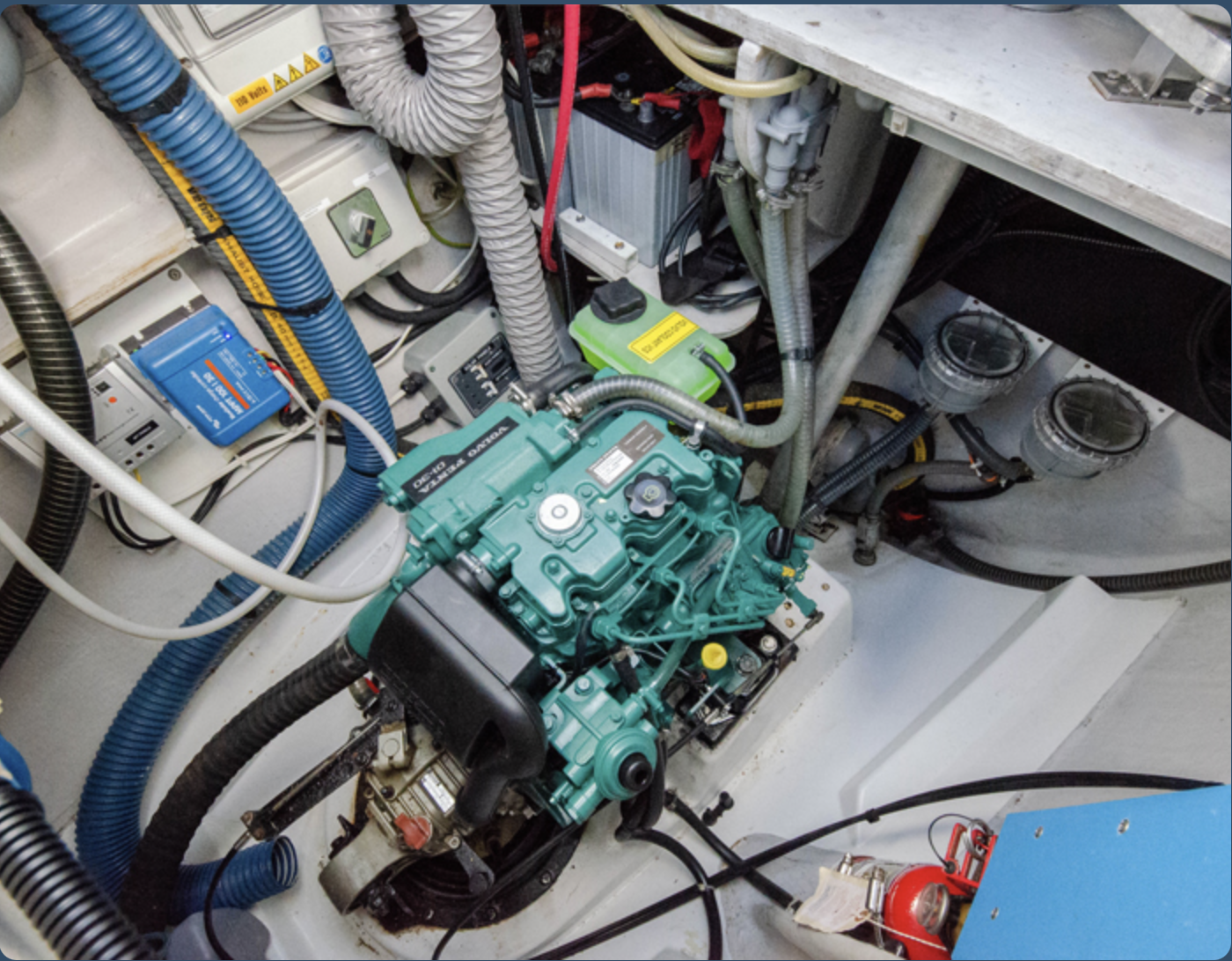
Tools & Materials Needed
- Fresh oil (Check your engine’s manual for the correct viscosity & quantity—typically SAE 15W-40 for diesel engines)
- Oil filter (OEM or high-quality replacement)
- Oil filter wrench (if needed)
- Drain pan (large enough to catch all the old oil) OR Oil Extractor
- Funnel
- Gloves & rags
- Socket set or wrench (for drain plug)

Step-by-Step Oil Change Process
1. Warm Up the Engine- Run the engine for a few minutes to warm the oil (but not too hot). Warm oil flows more easily, helping to drain contaminants effectively.
2. Locate the Drain Plug & Oil Filter
- Drain Plug: Usually at the bottom of the oil pan.
- Oil Filter: Typically near the engine block (refer to your manual if unsure).
3. Drain the Old Oil
- Place the drain pan beneath the oil plug.
- Use a wrench to remove the drain plug and let the oil flow completely.
- Inspect the drain plug for metal shavings (a sign of engine wear).
4. Replace the Oil Filter
- Remove the old filter using an oil filter wrench if needed.
- Lightly coat the new filter’s gasket with fresh oil before installing.
- Hand-tighten the new filter (no need for excessive force).
5. Refill with Fresh Oil
- Reinstall the drain plug securely.
- Use a funnel to pour the recommended amount of fresh oil into the fill port.
- Check the dipstick to ensure proper oil level (avoid overfilling).
6. Start the Engine & Check for Leaks
- Run the engine for a minute to circulate the new oil.
- Turn it off and recheck the oil level, topping up if necessary.
- Inspect around the drain plug and filter for leaks.
7. Dispose of Old Oil Properly- Take used oil to a recycling center or auto parts store—never dump it!
Maintenance Tips
- Follow the engine manufacturer’s recommended oil change intervals (typically every 100-250 hours).
- Always use high-quality oil and filters.
- Keep a maintenance log for tracking service dates.
- Place engine oil pads beneath the engine following service to keep the engine room clean and detect any leaks or issues.
By following these steps, you’ll keep your diesel engines running smoothly for years to come. Spend less time on the dock and more time out there! Happy boating!

 Next Resource